Bluestone vs Travertine Paving Adelaide — Honest Comparison
Bluestone or travertine paving for your Adelaide pool or courtyard? Honest comparison of look, cost, durability, sealing and maintenance.
Published 9 May 2026 · Landscaping Quotes
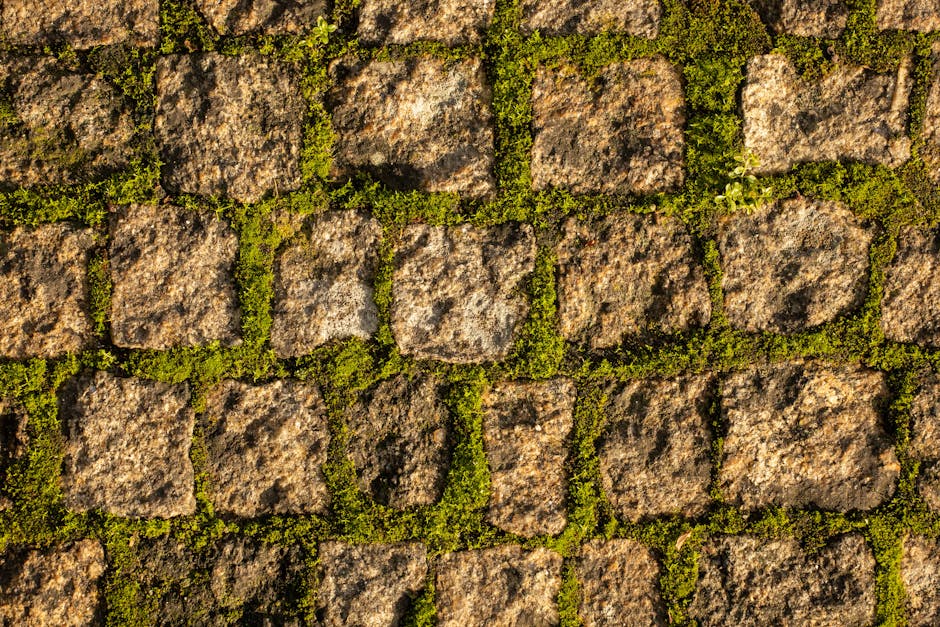
Bluestone vs Travertine Paving — Adelaide Choice Guide
Bluestone and travertine are the two most popular natural-stone pavers in Adelaide. They’re not interchangeable — they’re chosen for different reasons, and the wrong choice for the location is a 25-year regret.
Here’s how to decide.
At a glance
| Bluestone | Travertine | |
|---|---|---|
| Origin | Volcanic basalt | Sedimentary limestone |
| Colour | Charcoal grey to dark blue-grey | Cream, beige, walnut, ivory |
| Density | High (very durable) | Medium (porous) |
| Sealing | Optional | Required |
| Heat | Hot in direct sun | Cooler in direct sun |
| Slip | Honed = slippery wet, flamed = grippy | Honed = grippy, polished = slippery |
| Cost installed (per sqm) | $130–$180 | $140–$220 |
| Best for | Driveways, modern courtyards, paths | Pool surrounds, alfresco floors |
Bluestone
A volcanic basalt mined widely in Victoria and parts of South Australia. Adelaide bluestone (the heritage building material) is the same stone family. Dense, hard, ages well. The signature dark grey gives a clean modern or classical look depending on the finish.
Why choose bluestone
- Durable. Hardly chips, hardly cracks, lasts 50+ years.
- Low maintenance. No sealing required (though some owners seal for stain resistance).
- Looks at home in Adelaide. Heritage character integrates without trying.
- Driveable. 60mm bluestone is rated for driveways.
- Doesn’t show stains easily. Dark stone hides drips, dirt, and tannin marks.
Why bluestone might not be right
- Hot underfoot. In direct sun in summer, bluestone reaches 55-65°C. Painful for bare feet around pools.
- Honed bluestone is slippery wet. The flat polished surface loses grip in rain. Specify flamed or sawn finish for wet zones.
- Limited colour range. Charcoal grey to dark blue-grey — that’s it.
Travertine
Sedimentary limestone formed from mineral deposits. The classic look in Mediterranean and Roman architecture. Cream-to-walnut tones. Either filled (smoother surface) or unfilled (more textural).
Why choose travertine
- Cooler underfoot. Travertine runs 8-12°C cooler than bluestone in direct sun. Friendlier around pools and where kids walk barefoot.
- Slip resistance when honed. The slight texture grips wet surfaces.
- Mediterranean aesthetic. Looks gorgeous around pools, alfresco areas, and classic-style homes.
- Lighter palette. Reflects rather than absorbs heat.
Why travertine might not be right
- Porous. Stains from oil, wine, and metal contact set quickly. Sealing is non-negotiable.
- Sealing maintenance. Reseal every 3-5 years.
- Softer than bluestone. Chips and scratches more easily.
- Iron-staining risk. Travertine reacts to iron in sprinkler water — orange staining on long exposure.
Cost in Adelaide (2026)
| Stone | Per sqm supplied | Per sqm installed |
|---|---|---|
| Bluestone (sawn, 30mm) | $80–$110 | $130–$180 |
| Bluestone (flamed, 30mm) | $90–$130 | $140–$200 |
| Bluestone (driveway, 60mm) | $120–$170 | $190–$260 |
| Travertine (filled, 30mm) | $90–$130 | $140–$190 |
| Travertine (unfilled, 30mm) | $100–$150 | $150–$220 |
| Travertine (paver, 60mm) | $130–$180 | $200–$280 |
Where each works best
Bluestone wins for:
- Driveways
- Heritage-home courtyards
- Modern courtyards with concrete-and-charcoal palettes
- Paths and edges
- Pool surrounds where you want the stone to disappear into shade
Travertine wins for:
- Pool surrounds where you walk barefoot
- Mediterranean-style alfresco areas
- Light-coloured palettes
- Sites with mature trees casting dappled shade
- Outdoor kitchens (cooler surface, easier on bare feet)
Sealing — what to know
Bluestone sealing is optional. The honest case for sealing: stain resistance against oil drips, wine spills, and rust marks. Without sealing, bluestone gradually develops a slightly weathered patina that many owners prefer.
Travertine sealing is essential. Without sealing, the porous stone absorbs every spill — particularly metal-based liquids (drink cans on a hot stone leave a permanent ring). Use a quality penetrating sealer; reseal every 3-5 years.
Common pitfalls
- Travertine paver on iron-rich water. Sprinklers running over travertine cause orange staining. Avoid or use de-ironised water.
- Bluestone polished finish around pools. Slippery wet. Always flamed or sawn for wet areas.
- Skimping on the bedding. Both stones are heavy — the base needs to be properly compacted.
Get a free quote
Request a free paving quote and tell us your stone preference (or ask us to quote both). We can supply samples to compare in your light before you commit.
Get a free landscaping quote
Tell us about your project and we'll get back to you within 24–48 hours. No obligation.