Council Approval Pergola Adelaide — DA Process Guide
Do you need council approval for a pergola in Adelaide? When yes, when no, what the development application involves, and timeframes.
Published 9 May 2026 · Landscaping Quotes
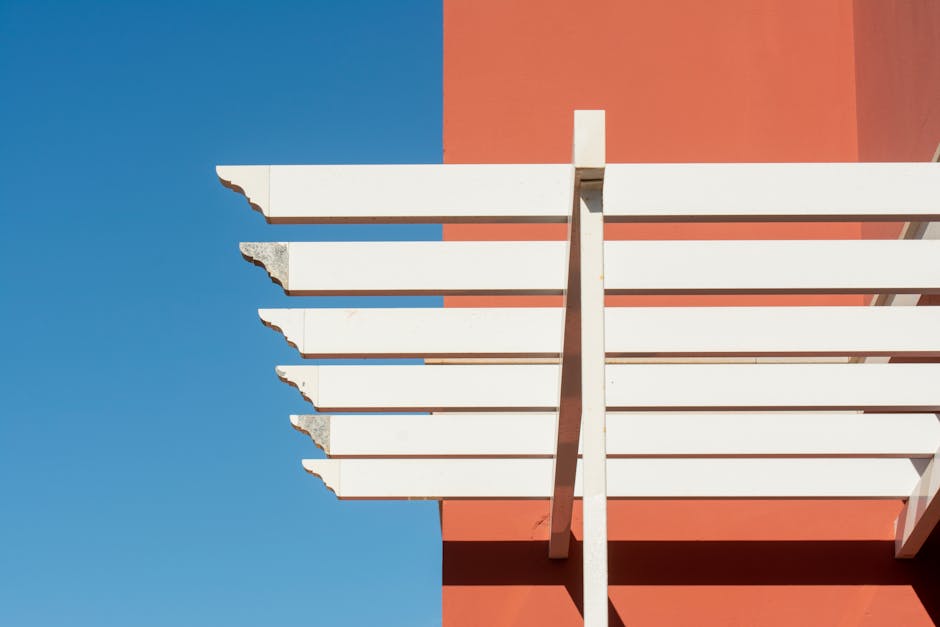
Council Approval for a Pergola in Adelaide — What You Need to Know
Most pergolas in South Australia need development approval from the local council. The exceptions are small freestanding structures in non-heritage areas, and even those have rules. Building first and asking forgiveness is risky — councils can issue stop-work orders, fines, and demolition orders.
Here’s how the approval process actually works.
When you DO need approval
In most South Australian councils, development approval is required for:
- Pergolas attached to the dwelling (almost always)
- Pergolas over 3 metres in height (regardless of attachment)
- Pergolas over 25 square metres (in many councils)
- Any pergola in a heritage conservation zone or attached to a heritage-listed building
- Pergolas with solid roofs (Colorbond, insulated panels, louvred — anything that sheds water)
- Pergolas in flood overlay zones with structural implications
- Pergolas in bushfire-prone areas with material implications
When you might NOT need approval
Councils vary. Common exemptions in metropolitan Adelaide:
- Freestanding pergolas under 25 square metres AND under 3 metres high
- Pergolas with open/lattice tops only (not water-shedding roofs)
- Set back from boundaries (typically 600mm minimum, sometimes more)
- Not in heritage zones, bushfire zones, or flood overlays
Always confirm with your specific council before building. A “complying development” exemption in one council may not apply in another.
The development application process
Standard SA development application for a pergola:
1. Pre-application research (1-2 weeks)
- Identify your council’s development plan policies for outbuildings
- Confirm whether your property is in a zone with extra rules (heritage, hazard)
- Gather property information (title, easements, setbacks)
2. Design and drawings (2-4 weeks)
- Site plan showing the pergola’s location, distances to boundaries, and existing structures
- Floor plan and elevations of the pergola
- Engineering certification (typically required for any structural element)
- Roof and wall material specifications
- Footing details
3. Lodgement (1 day)
- PlanSA portal (https://plan.sa.gov.au) handles all SA development applications
- Lodgement fee: typically $200–$500 for a residential pergola
- Council processing fee: additional $200–$500
4. Assessment (4-12 weeks)
- Council planning officer reviews against development plan policies
- May request additional information (extends timeline)
- If neighbours have a right to comment, public notification adds 4-6 weeks
5. Decision
- If approved: development consent issued; you can build
- If conditional: must comply with stated conditions before construction
- If refused: appeal possible to ERD Court (rare for residential pergolas if properly designed)
6. Building rules consent (if not bundled)
In SA, “development approval” combines planning consent (zoning compliance) and building rules consent (engineering, fire, structural). Both must be granted before construction.
7. Construction
- Notify the council before work starts
- Council may require staged inspections (footings, framing, completion)
- Final inspection issues a Statement of Compliance
Total timeline
For a straightforward pergola in a metropolitan Adelaide council:
- Pre-application research: 2 weeks
- Design + engineering: 3-4 weeks
- Application + assessment: 6-12 weeks
- Building: 2-4 weeks
- Total: 13-22 weeks from decision to start to ribbon-cut
Heritage zones, public-notification triggers, or contested applications can extend this by 4-12 weeks.
What council officers actually look for
- Compliance with the dwelling’s character (heritage zones especially)
- Setback from boundaries (minimum 600mm-1200mm typical)
- Site coverage (total impervious area as % of lot)
- Engineering certification for any structural element
- Material compliance in heritage and bushfire zones
- Drainage impact (where does roof runoff go?)
What homeowners commonly miss
Site coverage
Many lots have a maximum percentage of impervious surface. Adding a pergola with a solid roof can push you over. The driveway, house, sheds, and pergola all count.
Boundary setbacks
Even an open-top pergola usually has minimum boundary setbacks. The shadow of a 3m structure projects 4-6m at low winter sun.
Heritage requirements
North Adelaide, Burnside, parts of Walkerville, parts of Unley have strict heritage rules. Modern materials (Colorbond, aluminium) can be refused in favour of timber.
Engineering
Even simple-looking pergolas need structural certification. Wind loading on a 4×4m roof is significant.
Common mistakes
- Building before applying. Risk of stop-work orders, fines, retroactive applications, demolition.
- Underspeccing the engineering. Cheap quotes that skip engineering get refused or built unsafely.
- Wrong material in heritage zones. Lodging with steel in a heritage zone gets refused.
- Ignoring public notification. Some applications notify neighbours, who can object — plan around that timeline.
Should your builder handle the approval?
Most established Adelaide pergola builders include the development application as part of their build quote. Their fees for the application step typically run $1,000–$2,500. They handle:
- Drawings to council standard
- Engineering certification
- Lodgement
- Liaison with council planning officer
- Variation responses
If you’re using a smaller operator who doesn’t, you can engage a private certifier or planning consultant ($800–$2,500) to handle it.
Get a free pergola quote that includes approval
Request a free pergola quote — Adelaide builders we forward to handle development applications as standard. The DA fee is included in the build quote.
Get a free landscaping quote
Tell us about your project and we'll get back to you within 24–48 hours. No obligation.