Drought-Resistant Gardens Adelaide — Plants & Design
Designing a drought-resistant garden in Adelaide — best plants, soil prep, mulch, irrigation, and hardscape strategies for our climate.
Published 9 May 2026 · Landscaping Quotes
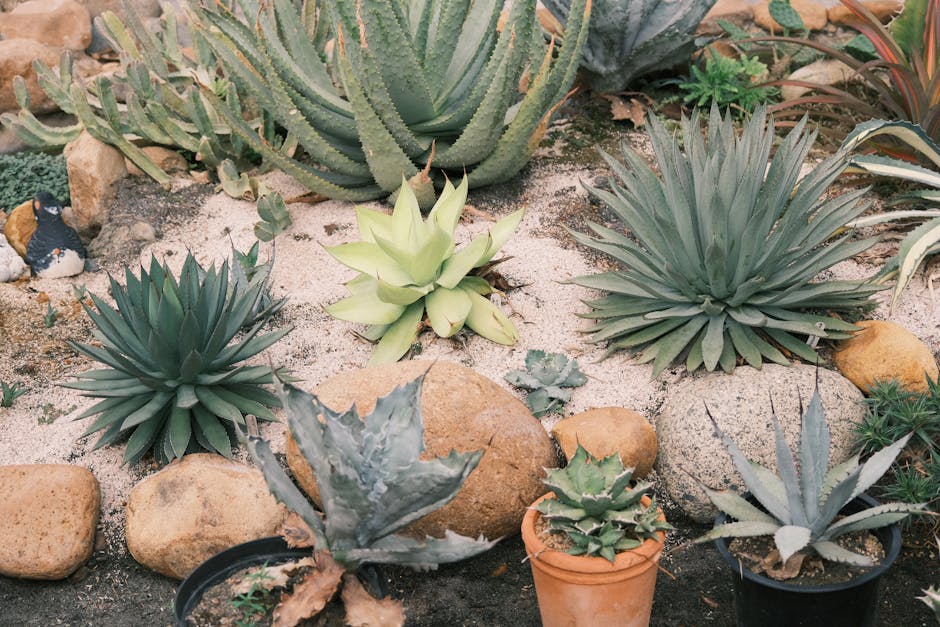
Drought-Resistant Gardens in Adelaide — Plants and Strategies
Adelaide gets 540mm of rainfall on average, almost all of it between May and October. Mid-summer can stretch six weeks without a drop. A drought-resistant garden is one that thrives on this rainfall plus minimal supplementary watering — no greenness for the sake of greenness, no high-maintenance exotics that would need daily watering through January.
Here’s how to design one.
What “drought-resistant” actually means
Drought-resistant doesn’t mean cactus-and-rocks. It means:
- Plants chosen for their tolerance of dry summers
- Soil prepared to retain moisture
- Mulch that reduces evaporation
- Hardscape that doesn’t compete with plants for water
- Irrigation that’s efficient when it runs (rather than wasteful)
A well-designed drought-resistant garden in Adelaide can look lush — full, layered, colourful — while needing almost no summer water once established.
The plant categories
Australian natives (lowest water needs)
- Eucalyptus — large to medium trees suited to most soils
- Banksias — winter-flowering, attract honeyeaters
- Grevilleas — long flowering, fast growing
- Westringia — coastal rosemary, clipped to formal hedges
- Acacias — wattles, fast growing, nitrogen-fixing
- Lomandra — strappy texture, indestructible
- Anigozanthos — kangaroo paws
Mediterranean climate plants (low to moderate)
- Olives — drought-tolerant, structural, edible
- Lavender — fragrant, attracts bees
- Rosemary — culinary, evergreen
- Cistus (rock rose) — colourful, summer-flowering
- Pelargoniums — old-school but reliable
- Phormium (NZ flax) — strong texture, low maintenance
Succulents and xerophytes (very low)
- Agave — architectural, dramatic
- Aloe — winter-flowering, attracts birds
- Sedum — ground cover, frost-hardy
- Euphorbia — varied forms, low water
- Carpobrotus — native pigface, salt-tolerant
Grasses (moderate)
- Themeda triandra (kangaroo grass) — golden seed heads
- Poa labillardierei — soft-textured
- Pennisetum — fountain grass, dramatic
- Lomandra longifolia — strappy native
What to avoid
- Lawn (unless you really need it) — turf is the highest water consumer in any Adelaide garden. If you must have lawn, keep it small and zone its irrigation tightly.
- Tropical plants — bird-of-paradise, monstera, taro. They survive but they suffer through summer.
- Soft-leafed exotics — hostas, hydrangeas, anything that wilts at first sign of heat.
- Heavy feeders — vegetables and roses need water; keep them in dedicated beds with their own irrigation.
Soil preparation
Drought tolerance starts in the soil. Dry-tolerant plants don’t grow well in compacted clay; they grow well in well-drained, structured soil with organic matter to retain moisture between rains.
Before planting:
- Loosen the soil to 300mm depth — fork or rotary hoe.
- Amend with compost — 50-100mm of organic matter worked into the top 200mm.
- For very heavy clay, add gypsum to break up the structure.
- Test pH if you suspect alkaline soil (common on Adelaide plains). Most Mediterranean and natives tolerate pH 6.5-7.5; acidify with sulphur if needed.
Mulch strategy
Mulch is the single highest-leverage drought-resistance tool. It:
- Reduces evaporation from soil surface (up to 70%)
- Keeps roots cool in summer
- Suppresses weeds (which otherwise compete for water)
- Decomposes slowly into the soil, improving structure
Best mulches for Adelaide drought-resistant gardens:
- Eucalyptus or jarrah chip (75-100mm depth) — slow decomposition, classic native look
- Pebble or river stone (50mm depth) — permanent, suits succulent and Mediterranean palettes
- Decomposed granite (40mm) — Mediterranean look, also works as path
- Pine bark (75mm) — common but acidifies soil, decomposes faster
Avoid: cypress mulch (allelopathic), grass clippings (rot, attract pests), thin layers of any mulch (provide no benefit).
Irrigation for drought gardens
Even drought-resistant gardens need supplementary water during establishment (first 12-18 months) and through extreme heat events.
Best practice:
- Drip irrigation only. Sprinklers waste water through evaporation; drip puts water at the root zone.
- Smart controller. Skips cycles after rain, adjusts seasonally. Cuts water use 20-40% versus a basic timer.
- Zoned beds. Vegetable garden, established trees, and low-water beds should be on separate zones with different watering schedules.
- Water deeply, infrequently. Weekly deep soak beats daily light watering — encourages deep root growth.
Hardscape that supports drought tolerance
- Permeable surfaces (gravel, decomposed granite, permeable pavers) let rainfall reach the soil rather than running off.
- Swales and rain gardens capture roof runoff and direct it into garden beds.
- Light-coloured paving and walls reflect heat rather than radiating it onto plants.
- Pergolas and shade structures reduce afternoon sun and evaporation in adjacent beds.
A sample design layout
For a small (60sqm) front garden in a north-facing Adelaide block:
- Boundary: clipped Westringia hedge for privacy and texture
- Mid-storey: three Grevillea robyn gordon, two coastal banksia
- Lower: mixed lomandra, dianella, kangaroo paw, with a swathe of native grasses
- Ground cover: myoporum at the front edge, native pigface in the harshest sun
- Mulch: 75mm jarrah chip throughout
- Irrigation: drip, smart controller, off most of the year
Annual water consumption: ~30,000 litres (most of it during the first year of establishment). After year 2: ~5,000 litres in supplementary watering during heat waves.
Get a free design quote
A drought-resistant garden is a design problem before it’s a planting problem. Request a free design quote — Adelaide designers can scope a planting plan suited to your site’s aspect, soil, and aesthetic.
Get a free landscaping quote
Tell us about your project and we'll get back to you within 24–48 hours. No obligation.