Landscaping Adelaide Hills — Terrain, Bushfire, Soil
Landscaping in the Adelaide Hills — sloping sites, sandstone bedrock, bushfire considerations, native planting, retaining walls.
Published 9 May 2026 · Landscaping Quotes
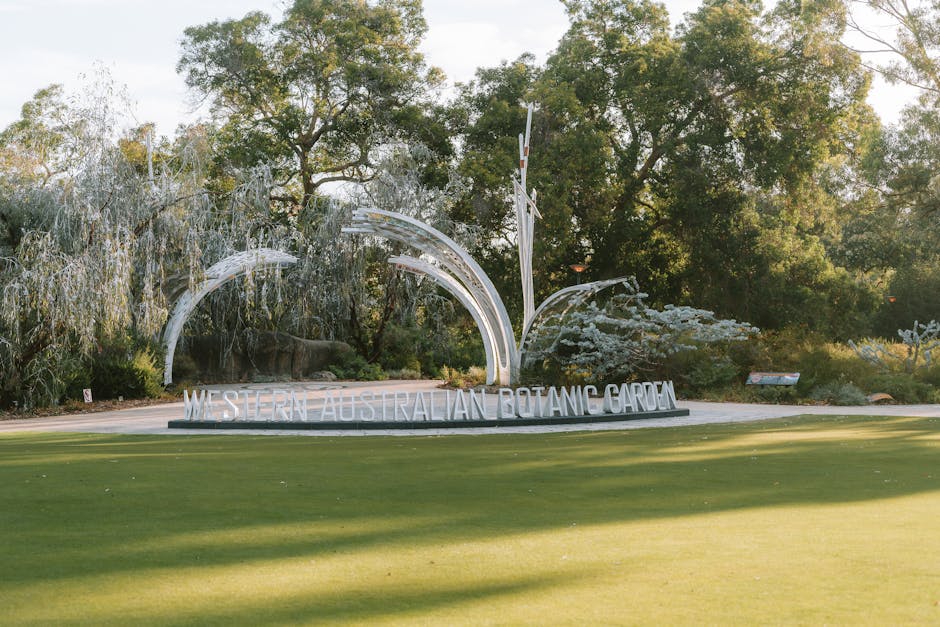
Landscaping in the Adelaide Hills — Terrain, Soil and Design
Landscaping in the Adelaide Hills brings constraints that inland Adelaide gardens never deal with. Sloping sites, shallow sandstone bedrock, bushfire risk, sometimes-frost mornings in winter, and a planning regime that takes the surrounding heritage and natural environment seriously. For larger Hills blocks, an aerial property documentation pass across rural South Australia at the start of the project gives the landscape designer a contour-aware view that ground walking can’t deliver — particularly useful when working around mature trees and existing fence-lines.
Here’s what makes Hills landscaping different — and what works.
The Hills environment
Climate
The Adelaide Hills sits 300-600m above sea level, which means it’s 3-5°C cooler than the Adelaide plains in summer and 2-3°C cooler in winter. Frost mornings happen in some valleys (Crafers, Bridgewater) through June-August. Summer heat is real but milder than the plains.
Rainfall is higher — 900-1,200mm annually depending on suburb, versus 540mm on the plains. The trade-off: the wet season is longer, soil drainage matters more, and frost-tender plants need protection.
Soils
Most Hills properties have shallow soil over sandstone or laterite bedrock. 200-400mm of topsoil is common; in some areas the bedrock is at the surface. Implications:
- Limited root depth for large plants
- Drainage can be excellent (sandy slopes) or terrible (clay pockets above bedrock)
- Excavation costs are higher — every metre of trench needs a rock-saw or a bigger machine
Slopes
Most Hills properties slope. Often significantly — 1:5 to 1:10 grades on residential blocks are common. Implications:
- Retaining walls dominate the hardscape budget
- Levelled areas for paving, lawn, or pools require cut-and-fill
- Erosion matters — exposed soil doesn’t stay where you put it
Bushfire
Most Hills suburbs are in bushfire-prone areas under SA’s Country Fire Service mapping. The existing trees on the block are usually the biggest bushfire-asset decision before the landscape design even starts — for fuel-load reduction, regulated-tree applications and structural pruning, see Adelaide Hills tree services. Implications for landscape:
- Defendable space required around homes (10-30m typically)
- Plant species restricted in the immediate house zone
- Mulch type matters — some councils restrict bark mulch close to homes
- Driveway access for fire vehicles must be maintained
What works
Native and indigenous planting
The Hills’ natural vegetation — eucalyptus woodland, banksia, callistemon, native grasses — works because it evolved here. Hills-indigenous species:
- Eucalyptus baxteri (brown stringybark) — the dominant Hills tree
- Eucalyptus obliqua (messmate stringybark)
- Banksia marginata (silver banksia)
- Hakea rostrata (beaked hakea)
- Callistemon citrinus (crimson bottlebrush)
- Lomandra effusa (scented mat-rush)
- Themeda triandra (kangaroo grass)
Most of these plants are also fire-resistant or fire-resilient — they recover from fire and don’t add fuel load close to homes.
Retaining walls — the Hills hardscape
Most Hills landscape projects involve retaining. Common materials:
- Concrete sleeper — the volume material, fire-resistant, durable on slopes
- Local sandstone — beautiful, integrates visually, expensive
- Limestone — natural look, fire-safe
- Timber (H4) — cheaper but not appropriate near homes in fire zones
Walls need engineering for anything over 1m. Hills sites often have walls 1.5-3m high, so engineering becomes a significant cost item.
Decking on slopes
Elevated decks suit sloping sites — they avoid the cut-and-fill cost of leveling for a paved area. Common construction:
- Steel post foundations into bedrock
- Hardwood timber subframe (H4-treated pine acceptable but degrades faster)
- Composite or merbau decking
- Timber or glass balustrade
A 30sqm elevated deck on a 1:6 slope: $12,000-$22,000 install.
Driveways and access
Sloping driveways are the norm. Concrete driveways with cross-fall (1:50 minimum) and surface drains every 10-15m. Crossfall to one side, drain at the bottom into a rubble pit or piped storm-water.
Asphalt is cheaper but doesn’t grip well on steeper grades — anything over 1:8 is iffy on asphalt.
Gardens that suit the Hills
- Native bushland feel — eucalyptus understory, dense planting, natural mulch
- English country garden (in cooler valleys) — perennials, lavender, roses, established trees
- Mediterranean (in warmer slopes) — olives, rosemary, gravel paths
- Tropical-influenced is rarely successful — too cold, too windy, too dry-hot in summer
What to plan for
Bushfire risk
Talk to your contractor early about defendable space requirements. The CFS bushfire-protection guidelines define zones around the home where fuel load is minimised:
- Zone 1 (close to house, 0-10m): lawn, paving, low non-flammable plants. No bark mulch.
- Zone 2 (10-30m): managed garden, fire-resistant plants, paths break fuel continuity.
- Zone 3 (30m+): broader landscape; some fuel acceptable, defensive trees.
A landscape designer experienced in the Hills will design around these zones.
Drainage
Sloping properties shed water fast — that water has to go somewhere. Surface drainage (channels, drains, swales) and sub-surface drainage (ag-pipe, soakwells) are essential. Skip them and the bottom of your property erodes; the neighbour below has issues; the house gets undermined.
Council differences
Different Hills councils have different rules. Adelaide Hills Council (Stirling, Aldgate, Hahndorf, Crafers), Mt Barker District Council, and Onkaparinga Council all have their own development plans, heritage considerations, and bushfire mapping. Your contractor should know your council.
Frost protection
In valley suburbs (Bridgewater, Aldgate, parts of Crafers), winter frost can damage frost-sensitive plants. Plant placement matters — north-facing slopes and elevated positions miss the worst frosts; valley bottoms catch them.
Cost ranges for typical Hills jobs
- Native garden makeover, no major hardscape (small property): $15,000–$30,000
- Sloping site, retaining + paving + planting (medium property): $50,000–$120,000
- Full Hills property landscape design + build (large property): $80,000–$250,000+
- Concrete-sleeper retaining wall (1m high, 25m run): $9,000–$15,000
Hills jobs run higher than plains-equivalent jobs because of the slopes, the rock excavation, and the engineering.
Hills suburbs we cover
Stirling, Aldgate, Hahndorf, Mt Barker, Bridgewater, Crafers, Heathfield, Uraidla, Lobethal, Verdun, Mylor, Echunga, Macclesfield, Meadows, Chandlers Hill.
Get a free Hills landscaping quote
Hills landscaping rewards local experience — knowing the soil, the council, the slopes. Request a free quote and tell us about your project and we’ll get back to you within 24–48 hours.
Get a free landscaping quote
Tell us about your project and we'll get back to you within 24–48 hours. No obligation.