Mediterranean Garden Design Adelaide — Plants & Layout
Mediterranean gardens are a natural fit for Adelaide's hot dry summers. Plants, hardscape, and design principles for Italian-, Spanish-, and Provence-style gardens.
Published 9 May 2026 · Landscaping Quotes
Mediterranean Garden Design — Adelaide Climate Match
Mediterranean garden design is genuinely the most natural fit for Adelaide’s climate. Hot dry summers, mild wet winters, alkaline soils — exactly the conditions Mediterranean plants evolved for. While native gardens take work to look good, a Mediterranean garden practically designs itself once you commit to the palette.
Why it works in Adelaide
The Mediterranean climate band runs from Italy and Greece through southern Spain, parts of California, the Cape region of South Africa, and the southern coast of Australia. All share:
- Hot dry summers (35°C+ for weeks)
- Mild wet winters (with most rainfall November-April or May-October)
- Long growing seasons
- Alkaline-to-neutral soils
Adelaide ticks all four boxes. So do most Mediterranean plants.
Core elements
Hardscape
- Travertine or limestone paving — the classic Mediterranean surface. Cream-to-walnut tones reflect heat.
- Decomposed granite paths — informal, drains well, suits Provence aesthetic.
- Terracotta — pots, pavers, rendered walls in warm tones.
- Rendered + painted walls — white, cream, or warm earth tones.
- Pergolas with vines (grape, wisteria) for shade and visual interest.
- Water features — simple wall-mounted fountains, rills, or shallow reflecting pools.
Plants — the headline list
Trees:
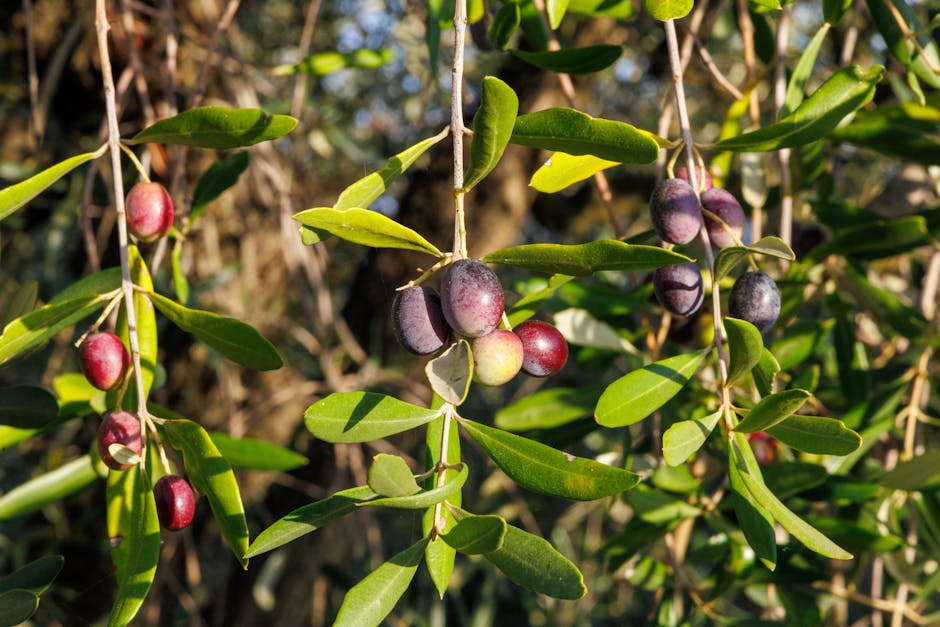
- Olive (Olea europaea) — drought-tolerant, structural, edible (or fruitless variety)
- Citrus (lemon, blood orange, lime) — perennial, attracts pollinators
- Cypress (Italian) — vertical accent, evergreen
- Fig — drought-tolerant, ornamental and edible
- Pomegranate — drought-tolerant, beautiful flowers, edible
- Crepe myrtle — summer flowering, autumn colour
Mid-storey shrubs:
- Lavender (English, French, Italian varieties) — fragrant, attracts bees
- Rosemary (Rosmarinus officinalis) — culinary, evergreen
- Cistus (rock rose) — colourful, summer-flowering
- Westringia (coastal rosemary) — clipped to formal hedges
- Pittosporum — formal hedge alternative
- Buxus — slow-growing formal hedge
Lower:
- Salvia — many varieties, all reliable
- Pelargonium — vibrant flowers, drought-tolerant
- Santolina — silver foliage, low compact mound
- Echium — dramatic flower spikes
- Iris (bearded varieties) — drought-tolerant
- Sedum — succulent ground cover
- Thyme (varieties) — fragrant, attracts bees, ground cover
Climbers:
- Wisteria — spring spectacle, deciduous
- Bougainvillea (warm-aspect sites only) — vivid flowers
- Star jasmine — fragrant, evergreen
- Grape vine — edible, deciduous, beautiful seasonal change
Design principles
- Symmetry along axes. Mediterranean gardens often have a strong central path with mirrored beds.
- Strong geometry. Rectangles, circles, and clipped formal hedges define spaces.
- Restrained palette. Five to eight species used in mass plantings.
- Structural plants. Olives, cypress, and pittosporum provide year-round form.
- Layered planting. Tall trees, mid-storey clipped hedges, lower flowering perennials, ground covers.
- Water features for sound and visual relief.
Three sub-styles
Italian villa
Formal, symmetrical, structured. Box parterres, gravel paths, terracotta pots. Cypress for vertical accents. Olive groves where space allows.
Provence farmhouse
Looser, more pastoral. Lavender fields, gravel courtyards, weathered stone walls. Rendered farmhouse aesthetic. Less formal hedging.
Spanish coastal
Tile and stone. Bright bougainvillea. Drought-tolerant succulents. Whitewashed walls. Often centred around a courtyard with fountain.
Each works in Adelaide; the choice depends on house style and personal taste.
Cost in Adelaide
For a 100sqm Mediterranean garden, design through install:
- Concept design: $2,000–$4,000
- Hardscape (paving, walls, terracotta features, simple fountain): $20,000–$40,000
- Planting (one feature olive + mid-storey + perennials + climbers): $5,000–$12,000
- Total: $27,000–$56,000
Specimen olives (mature, advanced): $800–$3,000.
Maintenance
Once established (12-18 months), a Mediterranean garden in Adelaide is genuinely low-maintenance:
- Year 1-2: weekly checks, supplementary watering through summer.
- Year 3+: monthly tidy-up, seasonal prune of formal hedges, mulch top-up annually.
- Annual: prune olives in late winter, deadhead lavender after flowering, refresh gravel paths.
Compared to lawn-and-roses gardens: 70% less water, 80% less mowing, 50% less fertilising.
Common mistakes
- Too many species. Mediterranean restraint is the discipline. Five species used confidently beats fifteen species spotted across the garden.
- Lawn in the middle. A formal Mediterranean garden doesn’t have lawn — gravel, paving, or planted beds throughout. If lawn is essential, define it clearly with hedges or paving edges.
- Mixing styles. Italian formal + Provence rustic + Spanish bright = visual chaos. Pick one direction.
- Wrong climate plants. Tropical plants (heliconia, gingers) don’t fit. Northern European plants (rhododendrons, hostas) suffer.
Get a free Mediterranean garden quote
Request a free design quote and mention your sub-style preference. Several Adelaide designers specialise in Mediterranean style — they’ll know plant suppliers for specimen olives and citrus.
Get a free landscaping quote
Tell us about your project and we'll get back to you within 24–48 hours. No obligation.