Native Garden Design Adelaide — Plants, Cost, Maintenance
Designing a native garden in Adelaide — best indigenous plants, drought-tolerant choices, design principles, and pitfalls to avoid.
Published 9 May 2026 · Landscaping Quotes
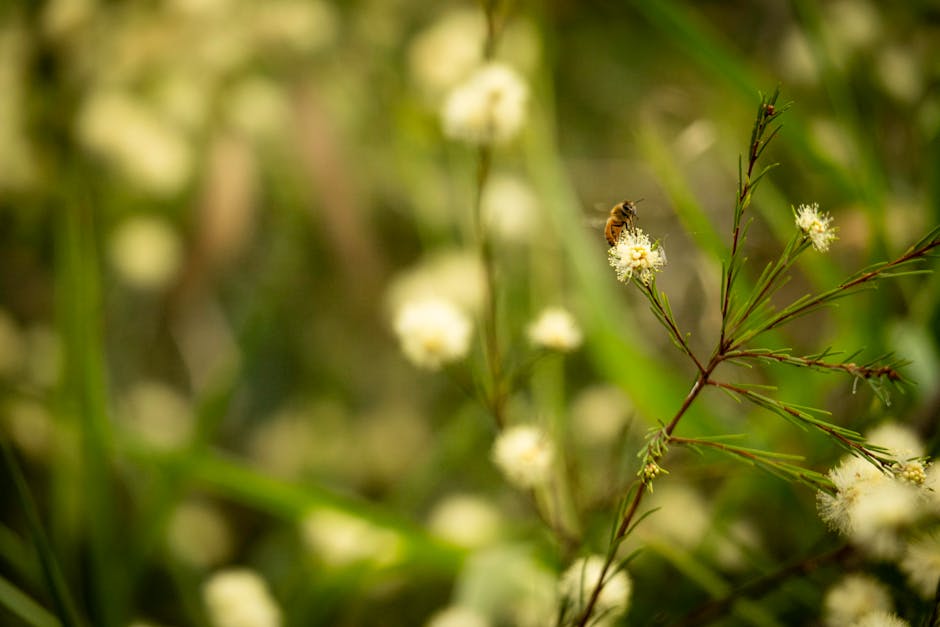
Native Garden Design Adelaide — Plant Choices and Pitfalls
Native gardens are increasingly popular in Adelaide for the obvious reason: they survive our summers without you watering them every second day. They also support local wildlife, reduce maintenance compared to a high-input exotic garden, and look beautiful when designed properly.
“Designed properly” is the key phrase. Native gardens that look like an unkempt scrubland are an avoidable mistake.
What “native” means in Adelaide
Three nested categories:
- Indigenous — species that grow naturally in your specific suburb (e.g. Adelaide plains, foothills, Hills).
- Australian native — any species native to Australia.
- Drought-tolerant exotic — Mediterranean and similar climates, not native but suited to Adelaide conditions.
For maximum ecological benefit and lowest maintenance, lean indigenous. For aesthetic flexibility, mix indigenous with broader Australian natives.
Why indigenous plants thrive
- Already adapted. No special care needed; they evolved here.
- Local wildlife support. Indigenous insects, birds, and small fauna recognise these plants.
- Climate-appropriate. Hot dry summers, cool wet winters — no surprises.
- Soil-appropriate. Most Adelaide indigenous plants tolerate clay; many tolerate alkaline conditions.
A starter palette for Adelaide
Trees and large shrubs
- Eucalyptus leucoxylon (SA blue gum) — flowering, attracts honeyeaters
- Eucalyptus porosa (mallee box) — smaller scale, good for suburban
- Allocasuarina verticillata (drooping she-oak) — wind-tolerant, soft texture
- Banksia marginata (silver banksia) — excellent winter-flowering
Mid-storey
- Acacia paradoxa (kangaroo thorn) — defensive hedge, yellow flowers
- Hakea laurina (pincushion hakea) — striking flowers
- Callistemon citrinus (crimson bottlebrush) — bird-magnet
- Grevillea robyn gordon — long flowering season, fast growing
- Westringia fruticosa (coastal rosemary) — clipped to formal hedges
Lower layer
- Anigozanthos flavidus (kangaroo paw) — striking, summer flowering
- Lomandra longifolia (mat rush) — strappy texture, indestructible
- Dianella revoluta (spreading flax-lily) — blue flowers, deep roots
- Themeda triandra (kangaroo grass) — native grass, golden seed heads
- Carpobrotus rossii (native pigface) — succulent, salt-tolerant, ground cover
Ground covers
- Myoporum parvifolium (creeping boobialla) — spreading, white flowers
- Banksia integrifolia “Roller Coaster” — prostrate banksia
- Hardenbergia violacea (purple coral pea) — climber, also as ground cover
Design principles
Layer
A natural-feeling native garden has three to five layers: ground covers, low shrubs, mid-storey, occasional larger shrubs, and one or two feature trees. Avoid the suburban temptation to make everything mid-height — a flat band of bottlebrushes looks like a hedge maze.
Group, don’t dot
Plant in groups of three, five, or seven of the same species. Native gardens look natural when species cluster; they look planned-and-failed when single specimens are dotted across a bed.
Use mulch — but the right one
Mulch with chunky native (eucalyptus or jarrah) chip, not pine bark. The fungi and decomposers from native chip support the planting. Pine bark is acidic and decomposes too quickly. Apply 75-100mm depth.
Plan for the dry season
Most natives need establishment irrigation for 12-18 months. Drip lines on a timer, off most of the year, on through January-February heat waves until established. After the establishment year, a healthy native garden runs on rainfall alone.
Hardscape sympathetically
Gravel paths (decomposed granite, crushed sandstone) suit native gardens better than poured concrete. Stone retaining edges feel right; powder-coated steel feels wrong. Recycled timber sleepers as edges or seating work well.
Common mistakes
- Lawn-and-natives mixing badly. Sprinklers running over native beds rot the plants. Either commit to a no-lawn native garden or zone the irrigation strictly.
- Over-mulching the crown. Don’t pile mulch against plant stems — invites collar rot.
- Planting in summer. Plant in autumn (March-May) or early spring. Summer planting has 50% mortality.
- Choosing species for one season. A garden that’s gorgeous in October looks dead in February. Mix flowering seasons across the species list.
- Forgetting wind tolerance. West-facing Adelaide gardens get hot afternoon wind. Banksia, callistemon, and casuarinas tolerate. Many tropical-look natives don’t.
Maintenance — what’s actually needed
- First 18 months: weekly to fortnightly check-in, occasional supplementary watering.
- From year 2: seasonal prune of flowering shrubs, mulch top-up annually, weed once or twice a year.
- Indefinitely: no fertilising (native garden inputs minimal — Australian soils are nutrient-poor by nature).
A mature native garden is among the lowest-maintenance gardens you can have in Adelaide. The maintenance is mostly cosmetic — pruning for shape — not survival.
Get a free design quote
Request a free garden design quote and mention “native garden” in the brief. Adelaide native-garden designers can scope a planting plan suited to your soil, aspect, and aesthetic.
Get a free landscaping quote
Tell us about your project and we'll get back to you within 24–48 hours. No obligation.